Enhancing Home Sustainability with Eco-Friendly Practices
In today's world, more homeowners are considering how they can integrate sustainable and eco-friendly practices into their daily lives. With growing concerns over climate change and environmental degradation, adopting green habits not only benefits the planet but can also prove to be economical and enhance one's quality of life. This article delves into various strategies to make your home more sustainable, ensuring that your living space is both environmentally friendly and energy-efficient.
The Importance of Home Sustainability
Before diving into the practical steps, it's crucial to understand the significance of sustainable homes. By improving home sustainability, you contribute to reducing carbon emissions, decreasing water usage, and limiting waste generation. Beyond environmental benefits, eco-friendly practices can also lead to reduced utility bills and increased property value.
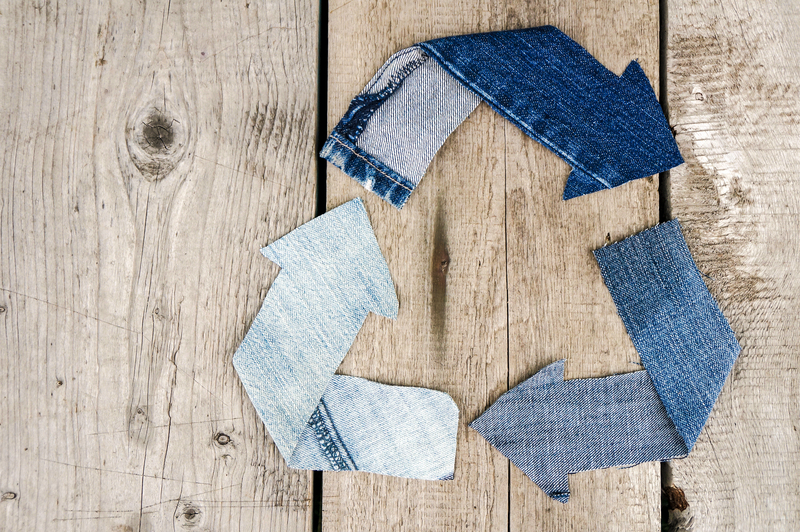
Key Benefits of Sustainable Living
- Lower energy consumption: Energy-efficient homes require less power, translating into lower electricity bills.
- Reduced environmental impact: A sustainable home reduces your carbon footprint and conserves natural resources.
- Healthier living environment: Eco-friendly practices often lead to improved indoor air quality and fewer pollutants.
- Economic savings: From aiding in lower utility costs to increasing resale value, sustainable practices are financially advantageous.
Practical Steps to Enhance Home Sustainability
Optimize Energy Efficiency
Boosting your home's energy efficiency is a vital step toward sustainability. Here are ways to achieve it:
1. Adopt Energy-Efficient Appliances
- Replace old appliances with those labeled as Energy Star certified for optimum efficiency.
- Use appliances that offer smart technologies for energy monitoring.
2. Harness Solar Power
- Install solar panels to utilize renewable energy, reducing reliance on the grid.
- Consider solar water heaters to cut down energy usage for heating.
3. Implement Smart Home Systems
- Install smart thermostats to regulate heating and cooling efficiently.
- Use intelligent lighting systems that adapt to occupancy and natural light levels.
Water Conservation Techniques
Water is a precious resource that can be conserved with just a few adjustments at home:
1. Fix Leaks Promptly
- Regularly check for and repair any drips or leaks in faucets, toilets, and pipes.
- Install low-flow fixtures to reduce water consumption without sacrificing performance.
2. Utilize Rainwater Harvesting
- Collect rainwater using barrels for gardening or cleaning purposes.
- Implement drip irrigation systems to ensure efficient water use for plants.
Waste Reduction and Recycling
Effective waste management is an easy yet impactful eco-friendly practice for home sustainability:
1. Practice Recycling
- Sort and separate different types of recyclable materials like plastic, glass, and paper.
- Be mindful of local recycling guidelines and participate actively.
2. Compost Organic Waste
- Compost kitchen scraps and yard waste to enrich soil and reduce landfill contributions.
- Use compost for gardening, fostering a natural cycle of nutrient replenishment.
Green Building and Renovations
Whether building a new home or renovating, incorporating sustainable materials is essential:
1. Use Sustainable Materials
- Opt for materials like bamboo, reclaimed wood, or recycled steel.
- Ensure materials are certified by recognized sustainability standards.
2. Improve Insulation
- Insulate walls, floors, and attics with eco-friendly materials to enhance energy efficiency.
- Upgrade windows to double or triple glazed options for better thermal retention.
Landscaping for Sustainability
Your garden and outdoor spaces can also contribute to your home's overall sustainability:
1. Plant Native Species
- Choose native plants that require less water and maintenance.
- Diverse planting can enhance local biodiversity and support pollinators.
2. Set Up Water-Saving Systems
- Install drip irrigation or timed watering systems to minimize water wastage.
- Apply mulch around plants to retain soil moisture and regulate temperature.

The Role of Homeowners in Promoting Sustainability
Ultimately, every homeowner has a part to play in promoting and practicing sustainability. It's about making conscious choices that reflect an understanding of their long-term effects. By employing these eco-friendly practices, the positive impacts will extend beyond your household to the entire community and the planet.
Engaging with Communities
Engagement can amplify the outcomes of individual efforts:
- Join local sustainability groups or community initiatives that focus on eco-friendly practices.
- Educate neighbors and friends about the benefits of sustainable living and share tips.
Conclusion
Transitioning to a sustainable home may require some initial investment and lifestyle adjustments, but the long-term benefits are invaluable. From reducing carbon footprints to enjoying lower utility bills and healthier living spaces, the advantages of implementing eco-friendly practices are manifold. By prioritizing sustainability, not only do you contribute to a healthier planet, but you also pave the way for future generations to inherit a more viable environment. Start making changes today, and transform your home into a haven of sustainability.