Environmentally Conscious Ways to Handle Old Cookware
The kitchen is the heart of every home, bustling with culinary activity and memories. Over time, though, our beloved pots, pans, and utensils begin to wear out, accumulate damage, or simply become outdated. Often, old cookware ends up discarded in the garbage where it contributes to landfill waste. But did you know there are environmentally conscious ways to handle old cookware that benefit both your home and the planet?
In this article, we'll explore eco-friendly solutions for responsible disposal, donation, recycling, and creative reuse of old kitchenware. Whether it's metal pans, ceramic pots, or worn-out nonstick skillets, you'll discover a variety of options tailored to different materials and conditions.
Why Is Responsible Cookware Disposal Important?
Outdated or damaged cookware--such as chipped ceramic pots, scratched nonstick pans, or rusty cast iron--can pose risks both to health and the environment. Nonstick coatings, for instance, may release harmful chemicals when broken down in landfills, while metal pots contribute to resource waste if not properly recycled.
- Reduces landfill volume: Cookware takes hundreds of years to break down. Disposing of it in landfills increases environmental strain.
- Saves resources: Recycling metals and other materials reduces the need for new raw resource extraction.
- Reduces pollution: Many cookware items contain metals or coatings that leach contaminants into land and water if not disposed of correctly.
- Supports communities: Donating usable cookware helps families in need and reduces overall waste.
Let's look at the leading environmentally conscious ways to handle old cookware and transform waste into opportunity.
1. Donate Usable Cookware
If your cookware is still functional, but you simply upgraded, consider donation as your first step. Many people, local shelters, and organizations are in constant need of gently used kitchen items.
Where to Donate Old Cookware
- Local charities and thrift stores: Places like Goodwill, Salvation Army, and other local thrift shops accept cookware in good condition.
- Homeless shelters or food pantries: These organizations regularly need cookware to help prepare and serve food.
- Community centers: Local centers or kitchens may appreciate extra utensils or pans for event cooking or workshops.
- Online platforms: Consider posting on networks like Freecycle, Facebook Marketplace, or Craigslist to pass old cookware directly to someone in your community.
Tip: Ensure items are clean, free of significant damage, and safe for use before donating.
2. Recycle Old Metal Cookware
Most metal cookware--including aluminum, stainless steel, copper, and cast iron--is recyclable. However, it should be dealt with correctly to ensure the materials are properly processed.
How to Recycle Metal Pots and Pans
- Check with your local recycling center: Not all curbside recycling programs accept cookware, so contact your municipality or visit their website for guidance.
- Scrap metal facilities: Many scrap yards will accept old pots and pans. Remove handles, plastic, or rubber parts if possible, as they may need to be separated.
- Recycling events: Some cities host special collection days for metal items, small appliances, and cookware.
- Big-box stores: Occasionally, retailers like Best Buy or Home Depot hold appliance recycling drives and may accept old cookware.
Remember: Even if a pan is coated, the underlying metal can typically be recycled. When possible, separate components (for example, remove non-metal handles from metal bodies) to make recycling easier.
Special Note on Nonstick Cookware
Nonstick or Teflon pans can be tricky. If the coating is intact, look for specialized recycling through manufacturers or local programs. Some companies, such as TerraCycle, offer recycling programs for hard-to-recycle items including nonstick cookware. Otherwise, remove as much nonstick coating as possible, or check directly with your local facility for advice.
3. Repurpose or Upcycle Old Cookware
Creative repurposing is a fun, DIY-friendly way to give old cookware a new lease on life. With a bit of imagination (and elbow grease!), tired pots and pans can become charmingly functional household items.
Ideas for Repurposing Cookware
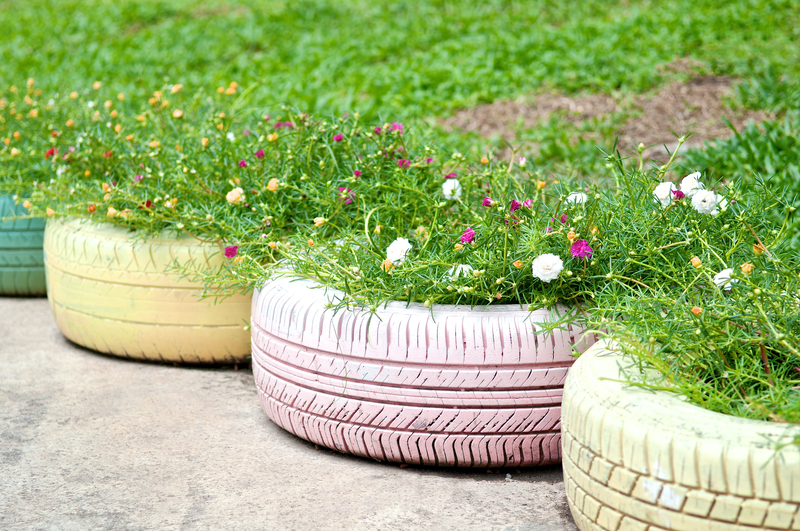
- Planters or garden decor: Drill holes for drainage and turn skillets, saucepans, or Dutch ovens into whimsical planters for herbs, succulents, or flowers.
- Storage containers: Use old pots as creative holders for utensils, paint brushes, or crafting supplies in your kitchen or garage.
- Wall art: Hang a collection of vintage or mismatched pans for a unique kitchen display.
- Candle holders: Small skillets or mini pots create sturdy, heat-safe bases for homemade candles.
- Bird feeders: Suspend an old pan from a tree to make an eco-friendly bird feeder.
- Serving trays: With some polish and added handles, a large pan transforms into a rustic or industrial serving tray for your next gathering.
Upcycling not only reduces waste but also brings a personalized, eco-friendly charm to your home and garden.
4. Proper Disposal of Damaged Cookware
Sometimes, old cookware is simply beyond use--beyond repair, unsafe, or too damaged to repurpose or donate. In these cases, safe and proper disposal is crucial to prevent environmental harm.
- Ceramic cookware: Broken or chipped ceramic pots and lids are often not recyclable. However, they can be repurposed as mosaic art materials or disposed of with household waste if there are no hazardous materials present.
- Glass cookware: Tempered glass (such as Pyrex) is usually non-recyclable in curbside bins due to its unique chemical composition. Check with your local recycling facility for guidance or consider reuse ideas for garden or craft projects.
- Nonstick pans with damaged coating: It's not safe to use these for food preparation. If recycling is unavailable, wrap the pan to contain flaking material and dispose with household trash.
Always check local regulations for rules on discarding specialty or hazardous household items. When in doubt, ask your waste management service for clear instructions.
5. Return to Manufacturer or Participate in Take-Back Programs
Some cookware manufacturers are stepping up to create environmentally conscious ways to handle old cookware. A number of brands, especially those that focus on sustainability, have introduced take-back initiatives or recycling partnerships.
Examples of Take-Back and Recycling Programs
- GreenPan and other eco-brands: Offer take-back schemes to recycle their own products.
- Le Creuset and All-Clad: Contact customer service to see if they offer recycling or repair options.
- TerraCycle: This US-based company specializes in recycling items that are not typically accepted curbside, including some cookware categories.
Check the manufacturer's website or packaging for any existing programs, or reach out to their support team. Participating in these options ensures cookware is handled properly and responsibly.
6. Host a Cookware Swap or Community Reuse Event
Community swaps are a fun and social way to exchange gently used cookware and kitchen tools. Gather friends, family, or local neighbors and encourage everyone to bring usable items they no longer need.
- Reduces waste: Swapping encourages direct reuse, extending the life of every pot and pan.
- Builds community: Creates connections and goodwill while promoting sustainable living values.
- Saves money: Participants can find "new to them" items without having to purchase new cookware.
7. Special Considerations by Cookware Type
Nonstick and Teflon-Coated Pots and Pans
- Avoid using if coating is chipped or flaking.
- Contact recycling facilities before placing Teflon-coated pans in scrap metal bins.
- Some manufacturers offer specific recycling programs for these pans.
Cast Iron
- Extremely durable and often restorable. Consider reseasoning or restoration before discarding.
- Highly sought after for donation or resale due to longevity.
- Recycle at scrap metal facilities if it's truly unusable.
Ceramic and Glass
- Check for damage; broken ceramic or glass may have special disposal requirements.
- Non-recyclable ceramics can be reused in mosaics or landscaping projects.
- Glass cookware may not be accepted in standard recycling--verify locally.
Copper, Steel, and Aluminum
- Remove plastic parts for easier recycling.
- Valuable as scrap metal; contact local yards for policies and potential compensation.
8. Tips for Minimizing Future Cookware Waste
The most environmentally conscious way to handle cookware is to avoid creating unnecessary waste in the first place. Here are key tips for building a sustainable kitchen:
- Buy quality items: Invest in durable, long-lasting cookware made from recyclable materials.
- Care and maintenance: Proper cleaning and seasoning extends the life of pots and pans.
- Avoid cheap, disposable items: Single-use and low-quality kitchen tools have a short lifespan.
- Choose eco-friendly brands: Look for products from companies with clear environmental and recycling policies.
- Support modular designs: Select cookware with replaceable handles or lids to minimize waste.
Making mindful purchasing decisions helps lessen future environmental impact for generations to come.
Conclusion: Making Every Pan Count
With mindful choices, environmentally conscious ways to handle old cookware are both accessible and rewarding. Whether it's recycling metals, donating to those in need, getting creative with upcycling, or taking advantage of manufacturer recycling programs, your actions can make a meaningful difference.
The next time you find yourself with old, unwanted pots and pans, remember these responsible, planet-friendly options. By choosing to recycle, repurpose, donate, or dispose of cookware thoughtfully, you're creating a ripple effect of positive change for your kitchen and our shared environment.
Every sustainable action counts--even when it comes to kitchenware!
Frequently Asked Questions (FAQs)
Can I put old pots and pans in curbside recycling?
Usually not. Most curbside programs refuse cookware because they're made of mixed materials. Check with local recycling centers or scrap yards for instructions.
What should I do with nonstick pans with damaged coating?
Do not use for cooking. If recycling is not an option, wrap and discard these pans with regular trash to avoid contaminating other recyclables.
Are there companies that recycle old cookware?
Yes, some manufacturers offer take-back or recycling programs. Research brands and facilities, or contact organizations like TerraCycle for hard-to-recycle items.
Can I upcycle old cookware into planters or art?
Absolutely! Many home gardeners and DIYers use old pots and pans for planters, decorations, and storage. Be sure to clean thoroughly before repurposing.
Is it safe to donate all types of cookware?
Donation centers usually accept only items in usable, safe condition. Avoid donating items with chipped enamel, worn-out nonstick surfaces, or cracked glass/ceramic.
For more tips on sustainable living and eco-friendly kitchen practices, explore our other guides and resources!