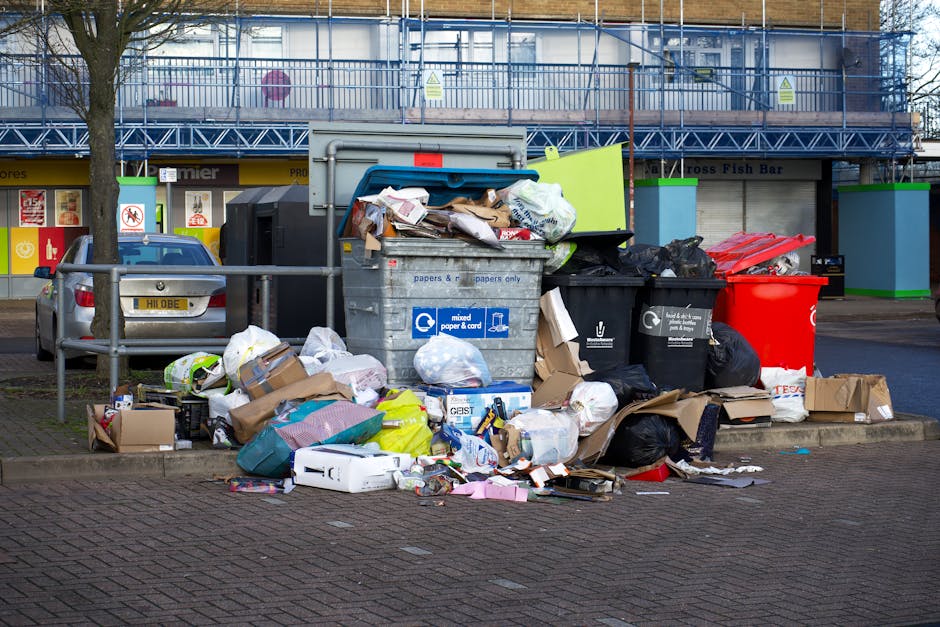
SE16 full rubbish clearance options near Surrey Quays station
If you are dealing with a flat full of unwanted bits, a garden that has quietly turned into a dumping ground, or a business space that needs clearing before the next step can begin, you are probably looking for the most sensible SE16 full rubbish clearance options near Surrey Quays station. And fair enough. In a busy part of London, nobody wants waste sitting around for days, blocking access, attracting complaints, or turning a simple job into a headache.
This guide breaks down how full rubbish clearance works, what your main options are, how to choose the right approach, and what to watch out for in SE16. We will keep it practical. No fluff, no vague promises. Just the kind of information that helps you make a decent decision the first time.
For readers who want a wider look at related services, it can also help to review waste removal, home clearance, or house clearance alongside a full clearance plan.
Table of Contents
- Why SE16 full rubbish clearance options near Surrey Quays station Matters
- How SE16 full rubbish clearance options near Surrey Quays station Works
- Key Benefits and Practical Advantages
- Who This Is For and When It Makes Sense
- Step-by-Step Guidance
- Expert Tips for Better Results
- Common Mistakes to Avoid
- Tools, Resources and Recommendations
- Law, Compliance, Standards, or Best Practice
- Options, Methods, or Comparison Table
- Case Study or Real-World Example
- Practical Checklist
- Conclusion
- Frequently Asked Questions
Why SE16 full rubbish clearance options near Surrey Quays station Matters
Full rubbish clearance matters because waste problems tend to snowball. One broken wardrobe becomes two bags of mixed rubbish, then a mattress, then a few boxes you forgot about, then a corridor nobody can walk through properly. In a densely populated area like SE16, that can affect not just your own space but neighbours, landlords, tenants, and building management too.
Near Surrey Quays station, access and timing also matter more than people often expect. Streets can get busy, parking can be awkward, and if you are trying to move bulky items from a flat or upper-floor property, the whole job becomes a logistics exercise rather quickly. That is why full rubbish clearance is not just about "getting rid of stuff"; it is about doing it in a way that is efficient, tidy, and low-stress.
There is another reason this topic matters: the wrong clearance method can be expensive in hidden ways. A cheap-looking solution can lead to multiple trips, missed items, awkward loading, or waste left behind because it was not sorted properly. Sometimes the real cost is your time, your energy, and, let's face it, your sanity.
Expert summary: The best full rubbish clearance option in SE16 is usually the one that matches access, waste type, volume, timing, and how quickly you need the space back. Speed is useful, but planning is what keeps the job under control.
How SE16 full rubbish clearance options near Surrey Quays station Works
At a practical level, full rubbish clearance usually follows a straightforward pattern. You identify what needs removing, decide whether anything should be kept or separated, arrange collection, and make sure the team can access the property safely. Simple on paper. Less simple when the loft is packed, the lift is out of service, and the sofa somehow will not fit around the stairs.
Most people in SE16 choose between a few broad approaches:
- Single-item or small-load collection for a few bulky objects or a modest amount of general rubbish.
- Full property clearance for flats, houses, garages, lofts, and mixed contents.
- Trade or site clearance for builder's waste, refurb debris, and renovation leftovers.
- Specialist clearance for furniture disposal, office contents, garden waste, or outbuildings.
If you are dealing with furniture-heavy rooms, the dedicated pages for furniture clearance and furniture disposal are useful because they match the practical reality of bulky waste better than a generic one-size-fits-all approach.
The actual collection process is usually arranged around access. For example, a ground-floor flat with rear access is a different job from a fourth-floor conversion in a narrow staircase block. In our experience, a clear photo set or a short description upfront saves a lot of back-and-forth later. A lot, actually.
What usually happens on the day
- The team arrives and checks access, volume, and any safety concerns.
- Items are removed carefully, with separation where needed.
- Waste is loaded and taken away in one visit if possible.
- The area is left tidier, with any agreed items remaining in place.
If the job involves a whole home rather than loose rubbish only, services such as flat clearance or loft clearance can be the better fit because they reflect the actual shape of the work.
Key Benefits and Practical Advantages
The obvious benefit is speed. A proper clearance can turn a messy, crowded space into something usable again in a single visit or over a short, scheduled window. But there are several other advantages that matter just as much.
- Less disruption: You are not making repeated trips to the tip or living around stacked bags for a week.
- Safer access: Clear hallways, stairs, and exits reduce trip hazards.
- Better space recovery: Once rubbish is removed, you can clean, decorate, let, sell, or repair the property.
- More predictable timing: Good clearance planning keeps things moving, especially if you are on a deadline.
- Cleaner decision-making: A full clearance often helps you finally see what is worth keeping and what is not.
For landlords, estate agents, and homeowners preparing a property for the market, a timely clearance can make a big difference to presentation. For businesses, it can be the difference between a workable office and a space that looks half-abandoned. That matters more than people admit.
When a job includes mixed waste from improvements or repairs, builders waste clearance is often the right route, especially if there are offcuts, rubble, packaging, old fixtures, or broken fittings to remove.
Who This Is For and When It Makes Sense
Full rubbish clearance is not only for major house moves. It makes sense in all sorts of everyday situations, and many of them are less dramatic than people imagine.
- Homeowners clearing a spare room, loft, garage, or whole property.
- Tenants who need to empty a flat before a move-out deadline.
- Landlords dealing with left-behind items after a tenancy.
- Estate executors managing an inherited property with mixed contents.
- Offices and small businesses removing outdated furniture, archives, or equipment.
- Tradespeople needing fast removal of renovation waste.
- Garden owners with cuttings, old pots, timber, and outdoor clutter.
Sometimes the trigger is practical rather than planned. A tenant leaves suddenly. A renovation overruns. A garage has become impossible to park in. Or the loft has been "temporarily" storing things for three years. We have all seen that one corner of the house, haven't we?
If the clutter is mainly domestic and spread across several rooms, house clearance or home clearance may be the more suitable fit. If it is mostly work-related, office clearance or business waste removal can make the process cleaner and more efficient.
Step-by-Step Guidance
A good clearance starts before anyone lifts a box. The more clearly you define the job, the smoother everything goes. Here is a sensible approach that works well for most SE16 properties.
- Walk the space properly. Do a room-by-room check and note bulky items, mixed rubbish, and anything fragile or valuable.
- Separate keep, donate, and remove. Even a quick sort makes a big difference.
- Take photos from different angles. This helps with planning and avoids surprises on the day.
- Check access details. Stairs, lifts, parking, restricted entry, and loading points all matter.
- Flag any special waste. Paint, chemicals, sharp items, plasterboard, electrical items, and similar materials may need separate handling.
- Choose the most suitable clearance type. A small rubbish pick-up, furniture disposal, or a full clearance all solve slightly different problems.
- Confirm what stays and what goes. Be very clear. A tiny misunderstanding can cause a big annoyance later.
If you are planning a larger job, it also helps to look at the provider's pricing approach in advance. A page like pricing and quotes can help set expectations, especially for mixed loads or awkward access.
One small but useful habit: keep a note of the items that matter most to you before anyone arrives. That notebook, photo frame, cable box, important paperwork, sentimental chair - the stuff that gets lost in the general chaos. It happens.
Expert Tips for Better Results
These are the details that tend to make the biggest difference on the ground, especially in tighter London properties.
- Clear a path first. Even moving a few items away from the front door or hall can speed the whole job up.
- Group similar waste together. Furniture, cardboard, bagged rubbish, and loose oddments are easier to assess when they are separated.
- Be honest about volume. Underestimating the amount of rubbish usually leads to awkward delays.
- Think about timing. Early day slots are often calmer for access and parking around busy transport areas.
- Ask how items will be handled. Responsible clearance should consider reuse, recycling, and proper disposal routes where possible.
Another tip, and a simple one, is to check whether you need a specialist route for garden or garage waste. A cluttered outdoor area can include soil, plant matter, old tools, timber, broken storage, and general rubbish all mixed together. In that case, garden clearance or garage clearance is usually the cleaner option.
And if you are unsure whether an item is reusable, a decent clearance operator should be able to say so plainly. No drama. No pressure. Just sensible sorting.
Common Mistakes to Avoid
A lot of clearance problems come from rushed decisions. Not bad intentions, just rushing. Truth be told, people often make the same mistakes again and again.
- Leaving sorting until collection day. That slows everything down and increases the chance of accidental removal.
- Mixing hazardous or awkward items into general rubbish. This can create safety and handling issues.
- Forgetting access restrictions. A van may be ready, but if parking or entry is tight, the job can stall.
- Choosing the cheapest option without checking scope. A low price is no use if it excludes half the load.
- Not confirming what happens to recyclable items. Good clearance should not mean unnecessary landfill.
Another common one is assuming that every service is the same. It is not. A simple rubbish collection is different from a property clearance, which is different again from a builders waste job. Matching the service to the actual problem matters more than the label on the page.
On a practical note, if the property contains mixed internal and outdoor waste, it can be worth separating the work into phases. That sounds slower, but it often ends up being cleaner and easier overall. Funny how that works.
Tools, Resources and Recommendations
You do not need a huge toolkit to prepare for a clearance, but a few practical items help a lot.
- Marker pens and labels for keep/remove notes.
- Heavy-duty bags or boxes for smaller loose items.
- Gloves for handling dusty or awkward belongings.
- Phone photos to document the space and avoid confusion.
- Tape measure if bulky furniture needs to fit through narrow doors or lifts.
- Notebook or checklist for items that must not be touched.
For people trying to compare clearance types, these service pages can be especially useful: furniture clearance, loft clearance, and home clearance. They help you work out whether you need a whole-property approach or something more focused.
If you want to understand the business side of the service before booking, the company pages about us, insurance and safety, and recycling and sustainability are worth a look because they give useful context around professionalism, safety, and waste handling expectations.
Law, Compliance, Standards, or Best Practice
Waste removal in the UK is not something to treat casually. You do not need to become an expert overnight, but you should expect any professional clearance to follow sensible legal and environmental practices.
At a minimum, that usually means items should be handled safely, waste should be taken to appropriate facilities, and anything that requires special treatment should not simply be bundled into a mixed load without thought. Electricals, sharps, chemicals, and some renovation waste can need extra care. If you are unsure, ask. A good provider should explain the process in plain English.
For business waste, the expectations are even more important because records, duty of care, and proper disposal routes can matter more than people realise. That is one reason business waste removal is worth using instead of trying to patch together ad hoc solutions.
Best practice also includes protecting the property itself. Doors, bannisters, floors, lifts, and shared areas should be handled with care. In block properties near Surrey Quays station, that matters. Nobody wants scuffed walls in a communal stairwell or bags dragged through a freshly cleaned hallway.
If there is any doubt about a waste stream, ask for clarification before the job starts. That is not being fussy. That is being sensible.
Options, Methods, or Comparison Table
Different clearance methods suit different situations. The best option depends on the amount of waste, the type of items, the access available, and how quickly you need the space back.
| Option | Best for | Strengths | Watch out for |
|---|---|---|---|
| Small rubbish collection | A few bags, boxes, or one bulky item | Quick, simple, often straightforward to arrange | Can become inefficient if the load is larger than expected |
| Full property clearance | Flats, houses, inherited properties, or major decluttering | Comprehensive, practical, saves time | Needs clear instructions and access planning |
| Furniture-only clearance | Sofas, beds, wardrobes, tables, chairs | Good for bulky items and awkward lifting | May not cover mixed rubbish or smaller debris |
| Garden or garage clearance | Outdoor clutter, tools, bags, cuttings, stored junk | Focused on a specific space, easy to scope | Mixed waste can require more sorting than expected |
| Builders waste clearance | Refurbishment leftovers, packaging, rubble, fixtures | Suitable for renovation projects and trade work | Some materials need special handling or separation |
In many real-world cases, the right answer is a mix. For example, a flat clearance may include furniture removal, small rubbish bags, and a bit of post-decoration waste. That is normal. The point is to choose a service that can genuinely handle the whole job rather than forcing the job into the wrong box.
Case Study or Real-World Example
Here is a typical sort of job seen around SE16. A resident near Surrey Quays station is moving out of a two-bedroom flat and has a mix of unwanted furniture, bagged clutter from the spare room, a broken desk, and several boxes from the loft cupboard. Nothing dramatic, but enough to make the move-out stressful.
They start by separating what is staying, what can be donated, and what must go. That alone reduces the load. Then they take a few photos, check whether large items will fit through the hallway, and confirm which pieces need to be removed first. The awkward sofa is identified early, which is helpful because sofas have a funny habit of becoming bigger the moment you try to move them.
On the day, the team clears the bulky furniture first, then the boxed rubbish, then the smaller loose items. The hallway is kept clear as they go, so the building stays tidy and neighbours are not inconvenienced. By the end of it, the flat looks ready for cleaning, and the resident can focus on the move instead of staring at a pile of stuff they no longer want to deal with.
What made that job go smoothly was not luck. It was preparation, clear expectations, and choosing the right type of clearance for the actual contents of the flat. That is the real lesson.
Practical Checklist
Use this checklist before booking or starting a clearance. It keeps things tidy in your head and on the ground.
- Have you listed everything that needs removing?
- Have you separated keep, donate, recycle, and remove items?
- Are there bulky items that need measuring?
- Do you know whether access is via stairs, lift, rear gate, or front entrance?
- Have you flagged fragile, hazardous, or unusual waste?
- Do you need furniture, garden, garage, or office clearance rather than general rubbish removal?
- Is there parking or loading access near the property?
- Have you confirmed what should stay behind?
- Do you understand how the waste will be handled and disposed of?
- Have you checked the provider's terms, payment details, and safety information?
A small final tip: if you are preparing for a full house or business clearance, set aside one box for "important and undecided". It saves a lot of accidental loss. Not glamorous, but very effective.
Get a free quote today and see how much you can save.
Conclusion
Choosing the right SE16 full rubbish clearance options near Surrey Quays station comes down to a few simple things: the amount of waste, the type of items, the access available, and how quickly you need the space cleared. Get those right, and the whole process becomes much easier. Get them wrong, and even a small job can turn into an irritating day of lifting, sorting, and waiting around.
The best approach is usually the one that fits the property and the problem, not the one that sounds quickest on paper. Whether you are clearing a flat, a loft, a garage, an office, or a mixed household load, the goal is the same: remove the clutter safely, responsibly, and without making your week harder than it needs to be.
And honestly, once the rubbish is gone and the room opens up again, the difference can feel bigger than expected. Cleaner air, clearer floors, less noise in your head. That bit matters too.
Frequently Asked Questions
What are the main SE16 full rubbish clearance options near Surrey Quays station?
The main options are small rubbish collection, full property clearance, furniture-only clearance, garden or garage clearance, office clearance, and builders waste clearance. The right choice depends on what needs removing and how much space you are clearing.
How do I know if I need full rubbish clearance or just waste removal?
If the job involves multiple rooms, mixed items, or a lot of bulky waste, full rubbish clearance is usually more suitable. If you only have a few bags or a limited amount of waste, a simpler waste removal service may be enough.
Can bulky furniture be removed from a flat near Surrey Quays station?
Yes, but access matters. Stair width, lift size, parking, and hallway layout all affect how the job is done. It helps to mention large items like sofas, beds, wardrobes, and tables in advance.
What happens to the rubbish after collection?
That depends on the waste type and the provider's process. Responsible clearance should prioritise reuse, recycling, and proper disposal routes where possible. Mixed waste is usually sorted before final disposal.
Is a loft or garage included in a full clearance?
It can be, if you specify it clearly. Some jobs focus on the main living areas, while others include lofts, garages, sheds, and outbuildings. Always confirm the scope before the work begins.
How far in advance should I book a clearance in SE16?
As soon as you know your deadline, ideally. Short-notice bookings are sometimes possible, but giving yourself a little lead time usually makes access planning and sorting much easier.
What if my rubbish includes broken appliances or electrical items?
Tell the provider in advance. Electrical and appliance waste may need separate handling, and it is better to flag it early than mix it into a general load without checking.
Can I combine house clearance with furniture disposal?
Yes, and that is very common. Many full clearances include furniture, smaller rubbish, and general household items in one visit, provided the scope is explained clearly.
How do I avoid hidden costs on a clearance job?
Be specific about item types, amount of waste, access issues, and whether any difficult lifting is involved. Clear photos and an honest description usually help prevent awkward surprises later.
Are office clearances different from home clearances?
Yes. Office clearances often involve desks, chairs, filing, screens, cabinets, and sometimes confidential or regulated materials. A business-focused approach is usually the better fit.
Should I sort items before the team arrives?
Yes, if you can. Even a basic sort into keep, remove, and unsure makes the process smoother. It also reduces the risk of losing items you meant to keep. That part is worth the effort.
Where can I learn more about service options and business details?
You can review the company's pages on about us, pricing and quotes, and recycling and sustainability for more context on how services are presented and managed.